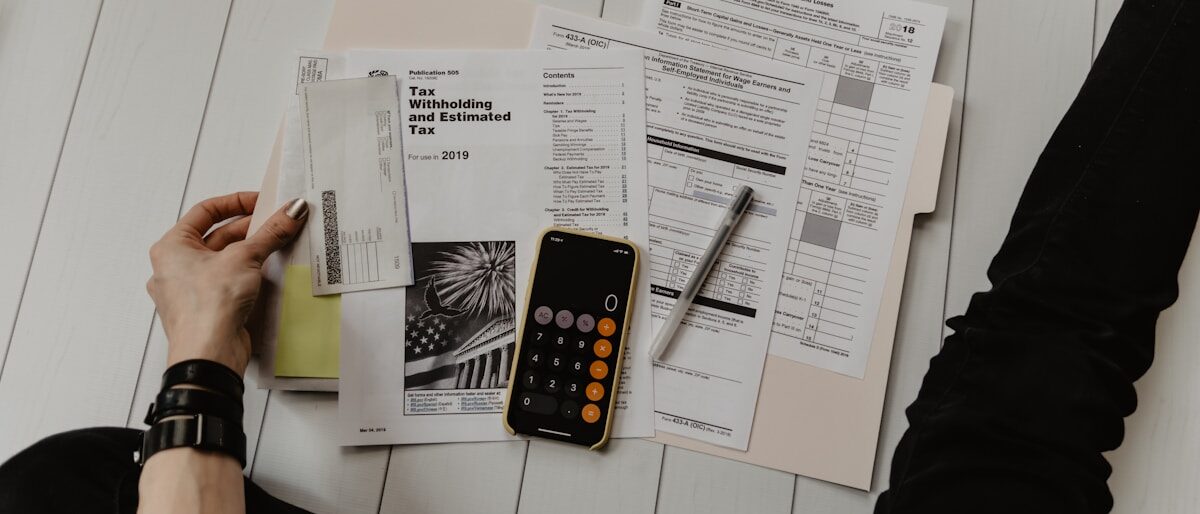
Money Stress Is Real—But It Doesn’t Have to Be
I’ll be honest: I was terrible with money for a long time. Like, really bad. I racked up credit card debt, lived paycheck to paycheck, and genuinely thought I’d never get ahead. Then I started learning—and honestly, the basics are actually pretty simple.
Here’s the thing about personal finance: you don’t need to be a math genius or read complicated books. You just need a few habits that actually work. Let me share what helped me.
1. Track Every Single Expense (Yes, Every One)
This sounds tedious, but it’s the foundation of everything. For one month, write down every single thing you spend money on. I don’t care if it’s a $1.50 coffee—write it down.
When I did this, I was shocked. I thought I was spending maybe $200/month on food. Turns out it was closer to $400. That’s $2,400 a year! Just from meals I barely remembered.
Use an app like Mint, YNAB, or even a simple spreadsheet. The method doesn’t matter. What matters is knowing where your money actually goes.
2. The 50/30/20 Rule Is Your Friend
I know, I know—rules can feel limiting. But this one is actually flexible and helpful:
- 50% Needs: Rent, utilities, groceries, insurance, minimum debt payments
- 30% Wants: Dining out, entertainment, hobbies, subscriptions
- 20% Savings: Emergency fund, retirement, extra debt payments
Here’s the honest truth: if you’re currently spending 80% on needs, that’s okay. Start by just saving 5% and increase by 1% every few months. Small changes stick better than big ones.
3. Build an Emergency Fund Before Anything Else
I cannot stress this enough. Before you worry about investing or paying extra on debt, build a small emergency fund.
Start with $500. That’s enough to cover most small emergencies—a car repair, a medical bill, a broken appliance. Once you hit $500, aim for one month of expenses, then three months.
Why first? Because life happens. And when it does, you don’t want to put it on a credit card (which is how debt spirals start).
4. Stop Trying to Keep Up With the Joneses
This was my biggest problem. I saw friends buying nice cars, taking fancy trips, and I felt behind. But here’s what I didn’t see: the credit card debt, the car payments, the financial stress.
Someone else’s highlight reel isn’t your reality. Focus on your own financial journey. Celebrate your wins—no matter how small.
5. Make Savings Automatic
This changed everything for me. Instead of trying to save what’s left over (there never is anything left over), set up automatic transfers on payday.
I have $200 automatically moved to my savings account every time I get paid. I never even see that money, so I can’t spend it. After a year, that’s $4,800 saved without any effort.
If your employer offers direct deposit, you can often split your paycheck. Otherwise, automatic transfers a day or two after you get paid work great.
6. Learn to Cook (Your Wallet Will Thank You)
I used to eat out almost every day. Lunch was $15, dinner was $20—that’s $1,050 per month! Now I meal prep on Sundays and bring lunch to work. I probably save $600/month minimum.
You don’t need to become a gourmet chef. Learn 10-15 simple recipes that you actually enjoy. Batch cook on weekends. The savings are incredible, and honestly, I eat healthier now too.
7. Cancel Subscriptions You Don’t Use
Go through your bank statements right now. I’ll wait.
Did you find random subscriptions? That streaming service you signed up for during quarantine and never cancelled? The gym membership you used twice? You’re not alone.
I found $47/month in subscriptions I didn’t use. That’s $564 a year. For doing literally nothing except clicking “cancel.”
8. Start Investing Early (Even With Small Amounts)
I used to think investing was only for rich people. Wrong. You can start with as little as $5 through apps like Acorns or Robinhood.
The real magic of investing is compound interest—your money grows on itself over time. $100 invested now could be worth thousands in 30 years. The earlier you start, the less you need to contribute.
If your employer offers a 401(k) match, contribute at least enough to get the full match. It’s literally free money.
9. Check Your Credit Score Regularly
Your credit score affects everything—renting an apartment, buying a car, getting loans. I check mine monthly through free services like Credit Karma.
If it’s low, focus on paying bills on time and reducing credit card balances. If it’s good, great—but still monitor for errors or fraud.
10. Give Yourself Permission to Mess Up
Here’s the most important tip: you will mess up. You’ll overspend one month. You’ll make a bad financial decision. It’ll happen.
That’s okay. Financial health isn’t about being perfect—it’s about getting back on track. One bad month doesn’t define your financial future. What matters is that you keep trying.
I’m still learning. I still have debt to pay off. But I’ve gone from drowning in stress to feeling genuinely hopeful about my money. You can get there too.
Start with one thing. Just one. Master that habit, then add another. You’ve got this.