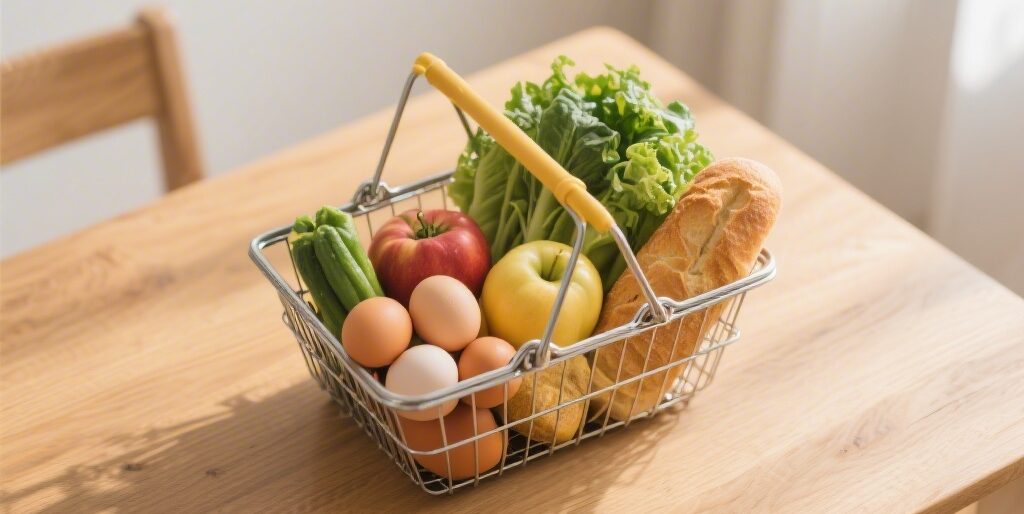
Let me be honest: grocery shopping is one of those expenses that sneaks up on you. You walk in for milk and bread, and somehow $150 later, you're wondering what happened. I've been there.
The thing is, saving money on groceries isn't about clipping every coupon or surviving on ramen. It's about making smarter choices that add up over time. Here are tips that actually work.
1. Make a List (And Actually Stick to It)
This sounds obvious, but it's the single biggest money-saving habit. When you shop without a list, you buy impulsively. Those "oh, that looks good" items add up fast.
Before you go, check what you already have. Then make a realistic list of what you need for the week. And here's the key: don't shop hungry. Hunger makes everything look more appealing.
2. Compare Unit Prices
Big package doesn't always mean better deal. Look at the unit price (usually on the shelf tag). Sometimes the smaller box is actually cheaper per ounce.
This is especially true for items that go bad before you can use them up. Buying giant family-size anything doesn't save money if half of it goes in the trash.
3. Shop Seasonal Produce
Out-of-season strawberries are expensive and usually taste like water. Buy what's in season and you'll pay less and taste better.
Some always-affordable options: bananas, apples, carrots, onions, potatoes. Build your meals around what's cheap and you'll naturally spend less.
4. Buy Store Brands
Honestly, most of the time, store brand products are made by the same companies as name brands. They're just packaged differently.
Cereal, canned goods, dairy, frozen vegetables — most store brands are indistinguishable from name brands. The savings? Usually 20-40%.
5. Use Cashback Apps
Apps like Ibotta, Checkout 51, and Fetch Rewards give you money back on stuff you're already buying. It's not huge, but it adds up over time.
The trick is to check apps before you shop, not after. Look for deals on things you actually need. Don't buy something just because it has a rebate.
6. Stock Up on Sale Items
When something you regularly buy goes on sale, buy enough to last until the next sale. This works best for non-perishables and things you use frequently.
Just don't get carried away. A "great deal" isn't a deal if you never use it or if it expires before you can.
7. Meal Plan (But Keep It Flexible)
You don't need a rigid meal plan that's stressful to follow. Just have a general idea of what meals you'll make this week.
Pick 2-3 main proteins that are on sale. Build around those. Have backup easy meals for nights when "what's for dinner" becomes a crisis.
8. Buy Whole Chickens
Whole chickens are almost always cheaper than pre-cut pieces. And you can easily cut it yourself (or ask the butcher to do it for free).
One chicken gives you breasts, thighs, wings, and stock bones. That's multiple meals from one purchase.
9. Reduce Food Waste
Food waste is like throwing money in the trash. The average household wastes $1,500 worth of food annually. That's insane.
Simple fixes: store food properly (herbs in water, lettuce in damp towels), use leftovers creatively, check your fridge before grocery trips, and learn which items go bad first.
10. Shop Less Frequently
Every trip to the store is an opportunity to spend money. If you're stopping by every other day for "just a few things," you're spending more.
Once-a-week shopping (or even once every two weeks) forces you to plan better and reduces impulse purchases.
11. Use Loyalty Programs
Most stores have free loyalty programs that give you access to member-only prices. Sign up. Use the card. It takes 30 seconds and saves you money every time you shop.
12. Buy in Bulk (Smartly)
Bulk can be great for things you use a lot: rice, pasta, oats, frozen fruit. But skip the bulk junk food. You'll just eat more of it.
Also, only buy bulk if you'll actually use it before it expires. A $20 giant bag of almonds is a waste if half goes stale.
13. Try Discount Grocery Stores
Aldi, Lidl, and other discount grocers can save you 30-50% compared to traditional supermarkets. The selection is smaller, but the prices are real.
The trade-off: fewer brands, no coupons needed, bring your own bags, and sometimes you need to bag your own groceries. Worth it for the savings.
14. Don't Buy Pre-Cut Produce
Those convenient packages of pre-sliced mushrooms or diced onions? They cost 2-3 times more than whole produce. A few minutes of prep saves you significant money.
This applies to pretty much anything that's been processed in any way. The more whole and unprocessed your food, the cheaper it usually is.
15. Track Your Spending
For one month, save your receipts. Add up how much you're actually spending on groceries. Then look for patterns.
You might find you're spending $80/week when you thought it was $50. Awareness is the first step to improvement.
The Bottom Line
You don't need to become a extreme couponer or survive on rice and beans. Small, consistent changes make the biggest difference.
Start with one or two of these tips. Maybe it's making a list every time. Maybe it's trying store brands. Once those become habits, add more.
Every dollar you don't spend on groceries is a dollar you can use for something else. And that adds up faster than you'd think.