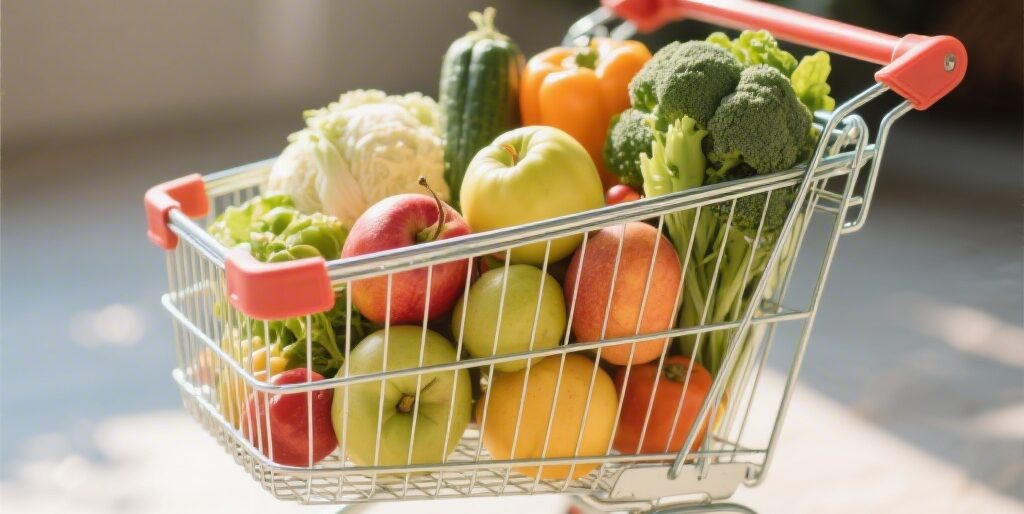
Let me be honest — I used to spend way too much on groceries. Like, way too much. Weddings, birthday parties, random snacks I’d forget about until they went moldy in the crisper drawer. It was bad.
But here’s the thing: I never wanted those extreme couponing lifestyles where you stockpile 200 rolls of toilet paper or eat nothing but rice and beans for months. I still wanted my weekly sushi runs and good coffee. This post is for anyone who feels the same way.
You don’t have to sacrifice the foods you love to save money on groceries. Here’s what actually works.
## The Meal Planning Thing (It’s Not as Boring as It Sounds)
Okay, I know. Meal planning sounds like something your mom did in the 80s with those little paper cards. But hear me out.
The real reason people overspend at the grocery store isn’t because prices are crazy (though they are). It’s because they walk in hungry and without a plan. Every single time you wander through those aisles without a list, you’re basically handing over extra cash.
I’m not saying you need a color-coded spreadsheet. Just spend 10 minutes before your shopping trip figuring out what meals you actually want to make that week. My approach:
– 2-3 “regular” meals I know how to make
– 1-2 new recipes to keep things interesting
– 1 “use whatever” night where I clean out the fridge
This simple habit alone cut my grocery bill by about 25%. Not because I switched stores or started buying weird off-brands. Just because I stopped buying random stuff I didn’t need.
## Shop the Perimeter (But Not All of It)
Here’s a pro tip: most of the healthy, whole foods are on the outer edges of the store. Produce, dairy, meat, bread. The expensive processed stuff? It’s all in the middle aisles.
But I’m not going to tell you to only shop the perimeter. That’s unrealistic and honestly boring. Sometimes you need cereal and pasta. The trick is:
1. Go to the middle aisles with a list
2. Don’t wander aimlessly
3. Get in and get out
I literally make a game of it now. How fast can I get through the store with everything on my list? Makes it feel less like a chore.
## The Generic Brand Secret
Look, I get it. Brand loyalty is a thing. But here’s a secret most people don’t realize: a lot of store-brand products are literally made by the same companies as the name brands. They’re literally sitting on the same production line, just with different packaging.
My favorite examples:
– Store-brand olive oil (often the same Italian importer)
– Generic canned tomatoes (same farms, different label)
– Basic cheese (the actual same blocks, just sliced differently)
One thing though — don’t cheap out on everything. Some generic products genuinely taste different. Figure out which items matter to you and which ones you’re fine with going generic on.
## The Meat Math
Meat is usually the most expensive part of any grocery bill. Here are a few ways to handle it:
**Buy whole chickens.** A whole chicken costs way less than the same amount of meat broken down into parts. And you can roast it one night, use the leftovers for sandwiches, and then make stock from the bones. That’s three meals from one purchase.
**Go meatless once or twice a week.** You don’t have to become vegetarian. But having a couple bean-based or pasta-based meals saves money and honestly adds some variety.
**Look for manager’s specials.** Those discounted items near the checkout or in the meat section? They’re often perfectly good — just approaching their sell-by date. If you’re cooking them that day or freezing them immediately, you’re golden.
## Frozen Foods Are Your Friend
I used to think frozen vegetables were some kind of inferior product. Like, why would I eat something that was previously frozen when I could get fresh?
Here’s the reality: frozen produce is flash-frozen at peak ripeness, so it actually retains more nutrients than fresh produce that traveled for weeks in a truck. And it lasts forever, which means less food waste.
Plus, frozen fruits are amazing for smoothies, and frozen vegetables are perfect for those nights when you want something quick but don’t want to go back to the store.
## The Cashback and Apps Thing
There are actually apps that pay you to buy groceries. I’m not joking.
– Fetch Rewards (scan receipts, get gift cards)
– Ibotta (cashback on specific products)
– Store loyalty programs (they’re usually free and offer instant discounts)
It’s not going to make you rich. But over a year, those little savings add up to $100-200. That’s a nice dinner out or a week’s worth of coffee.
## Stop Food Waste
This is where the real money bleeds out. How many times have you thrown away wilted lettuce, expired yogurt, or bread you forgot about?
Some solutions:
– Store food properly (glass containers, proper temperatures)
– FIFO (First In, First Out) — put new items in the back
– Freeze bread and tortillas
– Make soup from vegetable scraps
– Plan meals around what’s about to go bad
I started a “scraps bag” in my freezer. When I have onion ends, celery leaves, carrot peels — all that stuff goes in the bag. Once it’s full, I make vegetable stock. It’s basically free soup.
## Final Thoughts
Saving money on groceries isn’t about deprivation. It’s about being smarter with what you buy. You can still eat well, still enjoy your favorite foods, and still have a little treat here and there.
Start with one or two of these tips. See what works for your lifestyle. And remember — progress over perfection. Even small changes add up over time.
Now if you’ll excuse me, I have a date with some grocery store sushi that I bought with my newly optimized shopping strategy.