
Apple announced the iPhone 17 Pro Max for September 2025, and the upgrades are real this time. The A19 Pro chip, 12GB of RAM (up from 8GB), a 5,000mAh battery, and a full redesign with an aluminum body. Whether that’s enough to justify upgrading depends on what you’re coming from, but here’s everything we know so far.
When it’s coming out
Apple is expected to announce the phone on September 9, 2025, with sales starting September 19. The full lineup has four models: standard iPhone 17, the new iPhone 17 Air (Apple’s answer to thin-phone demand), iPhone 17 Pro, and iPhone 17 Pro Max at the top.
Performance: the A19 Pro and 12GB RAM
The A19 Pro chip uses TSMC’s 3nm process, same generation as the A18 Pro but with architectural improvements. The bigger news for daily use is the jump to 12GB LPDDR5 RAM. That’s a 50% increase over the iPhone 16 Pro Max’s 8GB, and it should make a noticeable difference when switching between apps or running Apple Intelligence features.
Apple also designed their own Wi-Fi 7 and Bluetooth chips this year, replacing Broadcom’s components. Early reports suggest better connection stability and lower power consumption, though real-world testing will tell the full story.
Battery and charging
The 5,000mAh battery is a 10% bump over last year’s model. Not a massive leap on paper, but combined with the efficiency gains from the new chip, it should add meaningful screen time. Apple has been conservative with battery size increases for years, so even this modest bump signals they’re taking battery complaints seriously.
The design overhaul
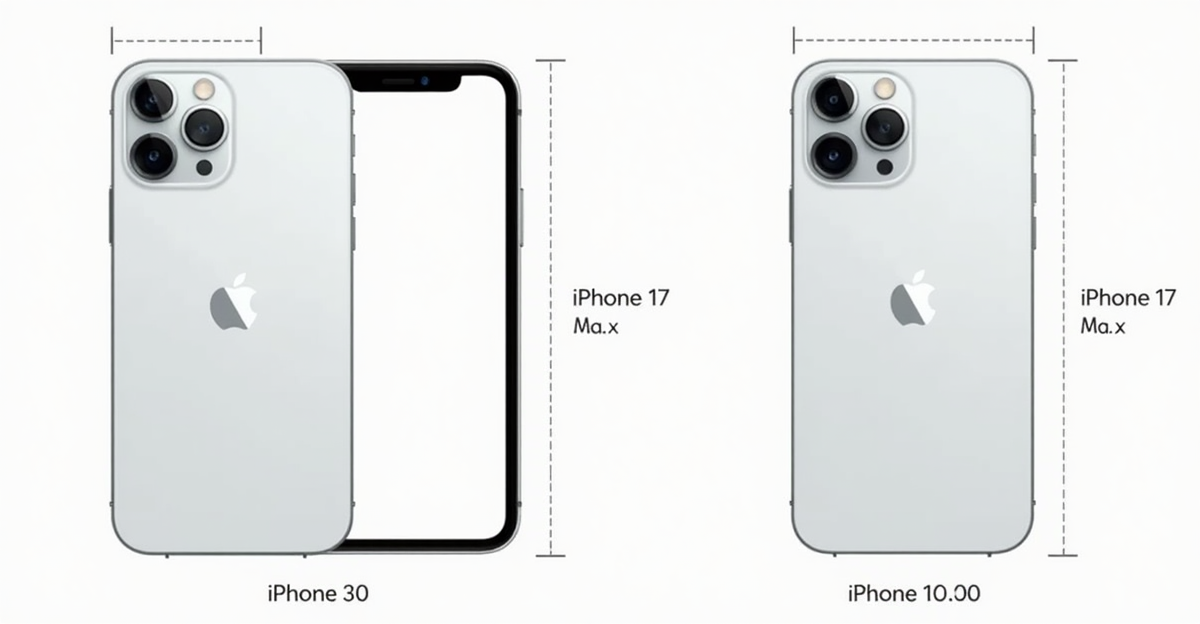
This is the most visible change. Apple is switching from titanium back to aluminum, which makes the phone lighter. The back has a two-tone glass finish — part frosted, part glossy. The profile is reportedly 5.5mm at its thinnest point, which would be a 30% reduction from the current model.
The other big design change: no physical SIM slot at all. It’s eSIM-only worldwide. If you travel frequently and rely on swapping physical SIMs, you’ll need to adjust your workflow.
Display and cameras
The display keeps the ProMotion 120Hz refresh rate with improved peak brightness. Not a radical change here — more of a refinement year for the screen.
Camera improvements focus on computational photography and low-light shooting. Night mode gets better processing, portrait mode has improved edge detection, and the zoom range is extended. Exact specs haven’t been confirmed by Apple yet, but leaks from MacRumors and supply chain sources paint a consistent picture.
1 Comment on “iPhone 17 Pro Max: Specs, Release Date, and What’s Actually Changing”