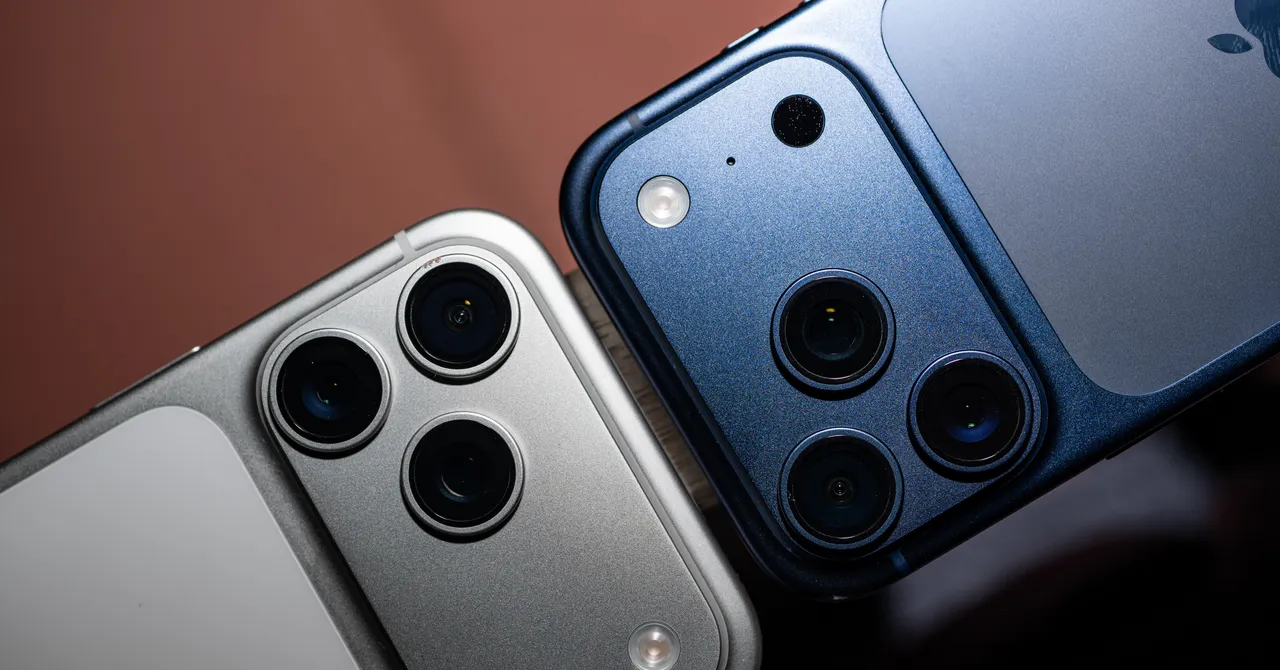
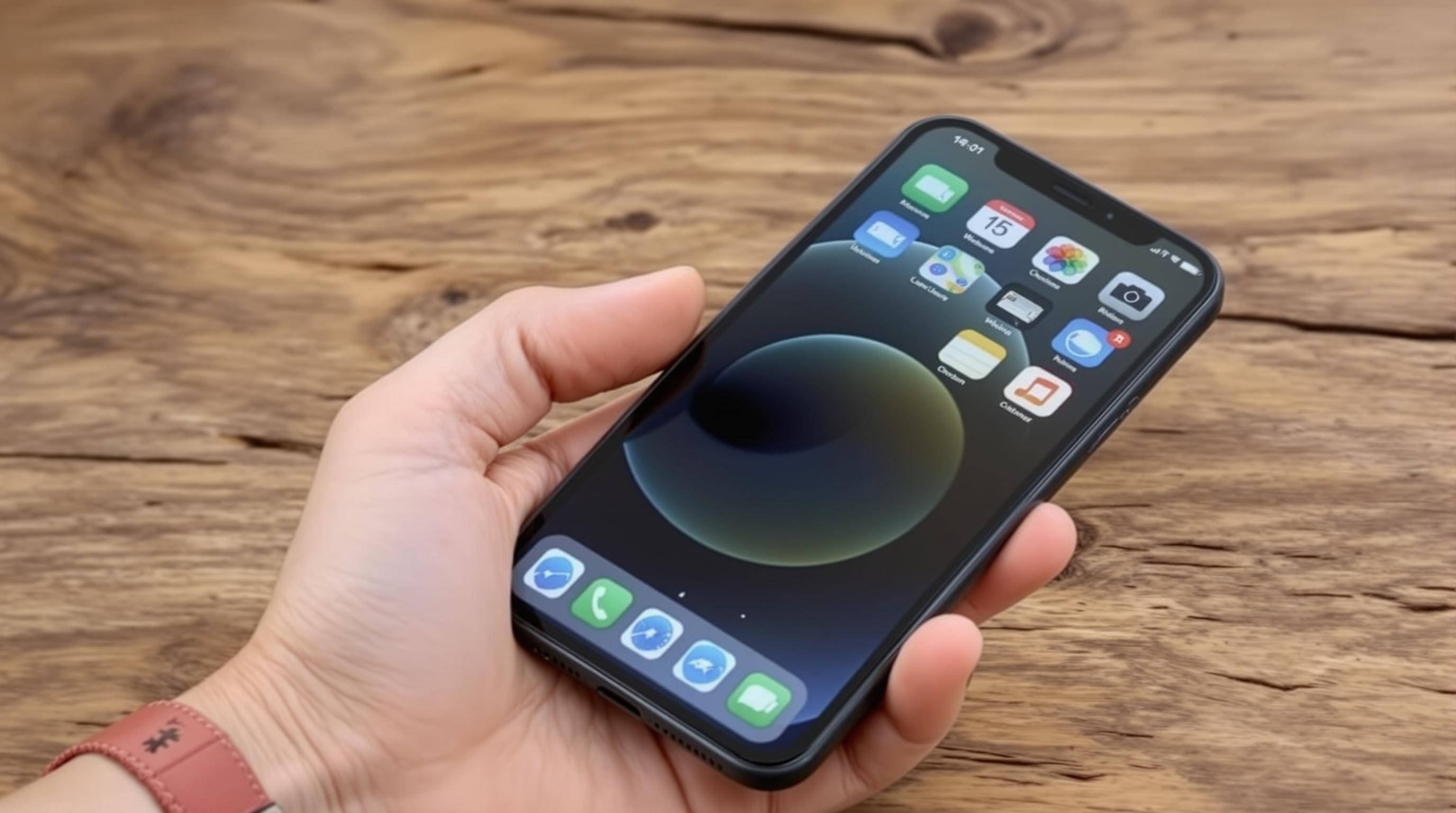
The iPhone 17 starts at $799 with 256GB of storage, and it comes with a 48MP camera, the A19 chip, and a 6.3-inch display that peaks at 3,000 nits. On paper, it’s a solid upgrade over the iPhone 16. In practice? It depends on which phone you’re coming from. Here’s what two weeks with it actually felt like.
Design and build
Apple kept the overall shape familiar but refined the details. The Ceramic Shield 2 front feels the same as before — which is fine, because the first version was already tough. The phone has a good weight to it without feeling heavy. If you’re coming from an iPhone 14 or 15, the difference in hand feel is noticeable. From a 16? Less so.
Camera: the real upgrade
This is where the iPhone 17 earns its keep. The 48MP main sensor captures noticeably more detail than last year’s model, especially in mixed lighting conditions. I tested it at a restaurant, outdoors in overcast weather, and in a dimly lit bar — the low-light shots were the most impressive improvement.
The 2x telephoto lens on the standard model is fine for everyday use. If you want the 8x optical zoom, you need the Pro or Pro Max. The front camera jumped to 18MP with Center Stage, which works well for video calls but isn’t a reason to upgrade on its own.
Pro models get the triple 48MP system. For photographers or anyone who shoots video professionally, the Pro is the obvious choice. For everyone else, the standard camera is genuinely good enough.
Performance and battery life
The A19 chip has a 6-core CPU and 5-core GPU. In daily use, it’s fast — apps launch instantly, multitasking is smooth, and Apple Intelligence features run without lag. The standard model has 8GB of RAM; Pro models get 12GB. The extra RAM matters mainly for heavy multitasking and keeping more apps alive in the background.
Battery life hits up to 20 hours of video playback, according to Apple. In my real-world testing, I consistently got through a full day of heavy use (messaging, camera, browsing, streaming) with 15-20% left by bedtime. The 120Hz ProMotion display adapts its refresh rate based on what you’re doing, which helps.
Who should (and shouldn’t) buy it
If you’re on an iPhone 14 or older, this is a meaningful upgrade across the board — camera, screen, performance, battery. The 256GB base storage alone makes it better value than the 128GB models Apple was selling two years ago.
If you have an iPhone 15 or 16, the improvements are real but incremental. The camera is better, the chip is faster, but nothing is dramatically different from what you already have. Skip a generation.
Android users thinking about switching will find the transition smoother than ever, especially if you already use Apple services like iCloud or Apple Music. The iPhone 17 goes head-to-head with the Samsung Galaxy S25, and both are excellent phones — the choice comes down to which ecosystem you prefer.
At $799, the standard iPhone 17 is well-priced for what you get. The iPhone 17 Air at $999 is harder to justify unless you specifically want the thinnest possible phone. And the Pro models are worth the premium only if you’ll actually use the camera and display upgrades.
Sources: Apple, Axios, Apple (Pro), T-Mobile, MacRumors, Gadget Hacks, GSMArena
That 3000 nits brightness sounds impressive – I wonder how much that impacts real-world visibility in sunlight. I found a helpful discussion about display technology and its impact on phone usability at https://seed3d.ai.
Great question! The 3000 nits brightness on iPhone 17 Pro Max does make a significant difference in direct sunlight. OLED displays with high nits ratings perform much better for readability outdoors, though real-world usage also depends on ambient light sensors and screen reflectivity. Apple typically advertises peak brightness for HDR content, so regular use may be slightly lower but still noticeably better than previous models.
Great question about display brightness!